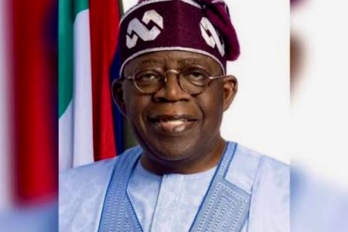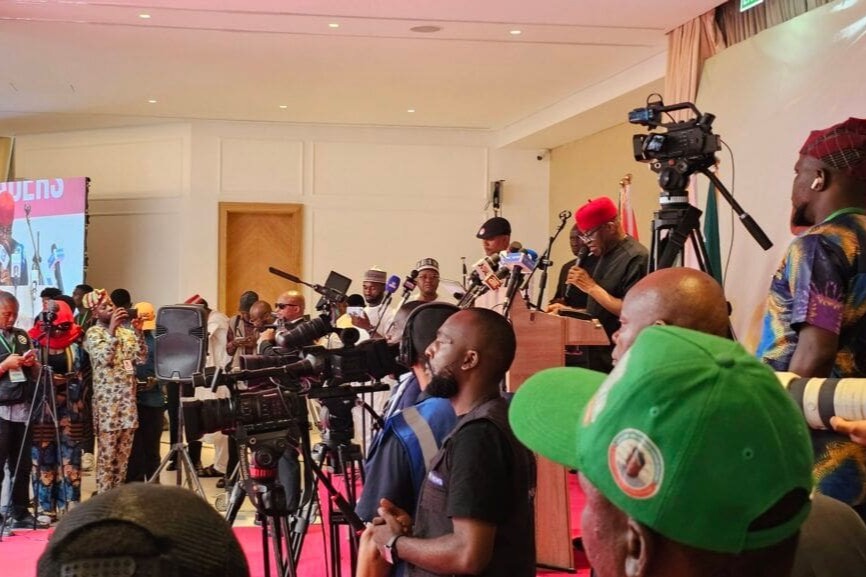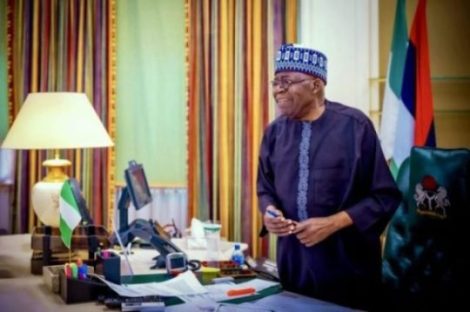
In a glittering display befitting a golden jubilee, President Bola Ahmed Tinubu departed Abuja on Tuesday to lead West Africa’s 50th-anniversary celebrations of the Economic Community of West African States (ECOWAS) in Lagos.
Flagged off in Accra last month, the jubilee crescendo will see Tinubu reenact the 1975 founding declaration at the Nigerian Institute of International Affairs, Victoria Island, before delivering a keynote at Eko Hotels and Suites as ECOWAS Chairman.
Yet, for many Nigerians, the fanfare masks a stark reality. While Tinubu basks in regional acclaim, ordinary citizens grapple with soaring inflation—pegged at 33.7% in April—and worsening insecurity that have eroded living standards.
A seasoned Lagos-based expert, speaking on condition of anonymity, lambasted the priorities: “Food prices are steadily skyrocketing beyond the reach of ordinary Nigerians but the government seems more intent on currying favour with ECOWAS than the welfare of its citizens” .
Such criticism underscores public scepticism over lavish ceremonies at a time of acute hardship.
Compounding the unease is ECOWAS’s fractured integrity. Only weeks ago, Niger, Mali and Burkina Faso announced exit timelines, signalling disunity within the bloc and casting doubt on its unity narrative.
The inability to reintegrate coup-hit states illustrates systemic failings that little golden jubilee zeal can paper over.
Analysts argue that Tinubu’s high-profile chairmanship—orchestrating commemorative pageantry—may serve as political theatre ahead of his 2027 re-election bid, rather than a genuine revival of regional solidarity.
Defenders counter that the Lagos leg will deliver tangible gains: on Saturday, May 31, Tinubu will commission Section I of the Lagos–Calabar Coastal Highway, the Lekki Deep Sea Port tax-credit concrete road and other flagship projects.
Yet, sceptics note that many infrastructure promises linger years overdue, with fears of cost overruns and ghost projects simmering beneath autographed ribbons.
As Nigeria navigates its dual identity—continental power-broker versus domestic custodian—the real jubilee may be the moment Nigerians demand accountability: from Tinubu’s administration and from ECOWAS itself.
After all, the true measure of a fifty-year legacy lies not in speeches or ceremonies, but in robust institutions that uplift citizens, not just celebrate them.
Additional reporting from Osaigbovo Okungbowa, Atlantic Post Senior Political Correspondent