President Bola Ahmed Tinubu’s Tuesday missives to the National Assembly mark the boldest—and most contentious—borrowing gambit in recent history.
In three separate letters, the president formally requested parliamentary approval for an external borrowing package totalling USD 21,543,647,912, EUR 2,193,856,324.54, JPY 15 billion, plus a EUR 65 million grant, alongside a ₦757.98 billion bond issuance to clear pension arrears under the Contributory Pension Scheme.
At the heart of Tinubu’s appeal lies the argument that, following the controversial removal of fuel subsidies and subsequent naira devaluation, Nigeria faces a yawning infrastructure deficit and severe revenue shortfalls.
He insists that targeted borrowing—both foreign and domestic—remains the only “prudent” recourse to plug fiscal gaps and rev up growth.
Yet critics warn this may tip the economy into a debt vortex from which recovery will prove Sisyphean.
A Debt-Fuelled Rescue or Reckless Overreach?
Tinubu’s first letter seeks authority to establish a foreign-currency-denominated issuance programme in Nigeria’s domestic debt market, aiming to raise up to USD 2 billion through the Debt Management Office (DMO) under last year’s Presidential Executive Order on Foreign Currency-Denominated Financial Instruments.
The president paints a picture of swift deployment of these funds into railways, healthcare and national development programmes across all 36 states and the FCT—projects he claims will generate jobs, bolster forex inflows and dampen inflationary pressures.
Yet alarms are raised over the political risks of dollar-pegged liabilities. “This initiative will deepen the financial market,” Tinubu asserts, “but it also heightens public debt stock and servicing costs”.
Indeed, Nigeria’s debt-to-GDP ratio has surged past 50 per cent amid previous borrowing rounds, and additional foreign-currency exposure risks exacerbating debt servicing at a time when the naira remains volatile against major currencies.
Pension Bond: A Wake-Up Call for Retirees
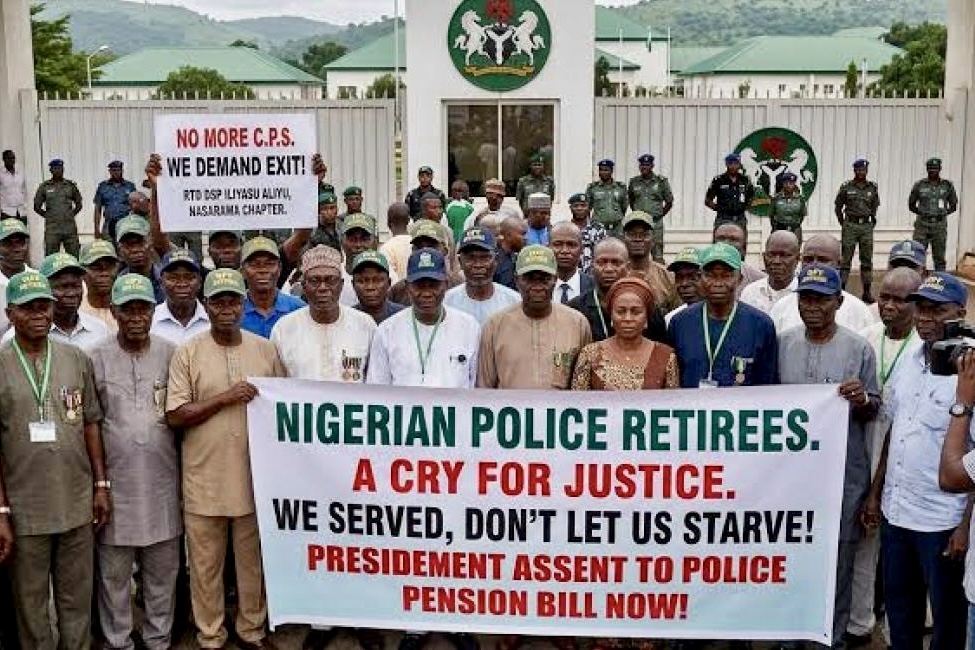
Equally dramatic is Tinubu’s second letter, in which he petitions approval for the issuance of Federal Government bonds totalling ₦757,983,246,571 to settle lingering pension liabilities as at 31 December 2023.
Under the Pension Reform Act 2014, sections 15(1) and 39 mandate the federal government to redeem accrued pension shortfalls; decades of revenue constraints have left millions of retirees in limbo, their livelihoods jeopardised.
By clearing this backlog, the president argues, the administration will restore confidence in the pension system, boost morale among public servants, unlock liquidity, and spur consumer spending—a shot in the arm for an economy stymied by sluggish domestic demand.
But detractors counter that converting these obligations into new debt merely defers the underlying fiscal strain without addressing Nigeria’s structural revenue weaknesses.
Political Theatre Meets Fiscal Reality
Both requests were read on the floor of the House of Representatives by Speaker Tajudeen Abbas and referred to the Committees on National Planning & Economic Development and on Pensions for scrutiny.
Tinubu’s letters include eloquent assurances of transparency and accountability, yet many lawmakers remain sceptical.
Opposition voices decry the administration’s lack of a robust revenue-mobilisation plan beyond borrowing, warning that the faustian pact of ever-mounting debt will saddle future generations with crushing repayments.
Analysts point out that while selective infrastructure spending can catalyse growth, loan proceeds must be ring-fenced from political patronage and graft—a tall order in a country perennially ranked low on corruption indices.
Failure to enforce strict oversight could see borrowed billions siphoned away, leaving empty shells of white-elephant projects and ballooning debt service.
The Stakes: Growth vs. Sovereignty
As Nigeria teeters between fiscal exigency and economic sovereignty, Tinubu’s plea lays bare a stark dilemma: continue deficit-financed growth to avert stagnation, or rein in borrowing lest foreign creditors call the shots on policy.
The world watches closely; multilateral institutions and rating agencies have already flagged Nigeria’s debt trajectory as “concerning,” casting doubt on sovereign creditworthiness.
With NASS now holding the knife’s edge, the nation awaits a reckoning. Will legislators green-light Tinubu’s ambitious borrowing blueprint in a bid to catalyse development, or will they balk, demanding deeper reforms in revenue generation, public finance management and anti-corruption safeguards?
The answer will chart Nigeria’s economic course—and, perhaps, its democratic credibility—long after the debt ceiling is breached.
Additional reporting from Taiwo Adebowale and Osaigbovo Okungbowa