Breaking: Dangote Refinery slashes PMS price to ₦899.50/litre, introduces game-changing credit purchase offer for consumers. Nigeria’s energy landscape transformed.
Holiday Bonanza: Dangote Reduces PMS Price to N899.50k, Introduces Special Purchase Offer for Consumers

LAGOS, Nigeria — In a strategic move poised to bring significant relief to Nigerians during the festive season, Dangote Petroleum Refinery has announced a substantial reduction in the price of Premium Motor Spirit (PMS), commonly known as petrol. Effective immediately, the ex-depot price has been slashed to ₦899.50 per litre, a notable decrease from the previous rate of ₦970 per litre set on November 24, 2024. This initiative is designed to alleviate transportation costs and enhance consumer spending power during the holidays.
A Timely Intervention for the Festive Season
The timing of this price reduction is particularly significant. The holiday season in Nigeria is traditionally marked by increased travel and heightened economic activity. By lowering the cost of petrol, Dangote Refinery aims to reduce the financial burden on consumers, thereby facilitating more affordable travel and commerce. This move is expected to have a ripple effect across various sectors, potentially lowering the cost of goods and services due to reduced transportation expenses.
Anthony Chiejina, Group Chief Branding and Communications Officer of Dangote Group, emphasised the company’s commitment to supporting Nigerians during this period. “To alleviate transport costs during this holiday season, Dangote Refinery is offering a holiday discount on PMS. From today, our petrol will be available at ₦899.50 per litre at our truck loading gantry or SPM,” Chiejina stated.
Innovative Credit Purchase Offer
In addition to the price reduction, Dangote Refinery has introduced an innovative special purchase offer to further benefit consumers. For every litre of petrol purchased on a cash basis, consumers are now eligible to acquire an additional litre on credit. This credit facility is backed by bank guarantees from reputable financial institutions, including Access Bank, First Bank, and Zenith Bank.
This initiative not only provides immediate financial relief but also introduces a novel approach to consumer financing in the petroleum sector. By leveraging bank guarantees, Dangote Refinery ensures the creditworthiness of transactions, thereby minimising risk while extending benefits to consumers.
Chiejina elaborated on this offer, stating, “Furthermore, for every litre purchased on a cash basis, consumers will have the opportunity to buy another litre on credit, backed by a bank guarantee from Access Bank, First Bank, or Zenith Bank.”
Implications for the Nigerian Economy
The reduction in PMS prices and the introduction of a credit purchase option are poised to have several implications for the Nigerian economy:
- Consumer Spending Power: Lower fuel prices increase disposable income, enabling consumers to spend more on other goods and services, thereby stimulating economic growth.
- Inflation Control: Transportation costs significantly influence the prices of goods and services. Reduced fuel prices can help in controlling inflation, ensuring that the cost of living does not escalate during the festive season.
- Market Competition: Dangote Refinery’s pricing strategy may prompt other players in the petroleum sector to reevaluate their pricing, fostering a more competitive market that could benefit consumers in the long run.
- Supply Chain Efficiency: The credit purchase offer, backed by bank guarantees, introduces a new dynamic in the supply chain, potentially improving liquidity and operational efficiency for distributors and retailers.
Environmental and Quality Assurance
Beyond economic considerations, Dangote Refinery has reiterated its commitment to providing high-quality, environmentally friendly petroleum products. The refinery’s operations are geared towards eliminating the influx of substandard and blended imported products that have previously posed risks to human health, machinery, and the environment.
Chiejina highlighted this commitment, stating, “We are committed to ensuring Nigerians have access to competitively priced, environmentally friendly, and high-quality petroleum products.”
About Dangote Refinery
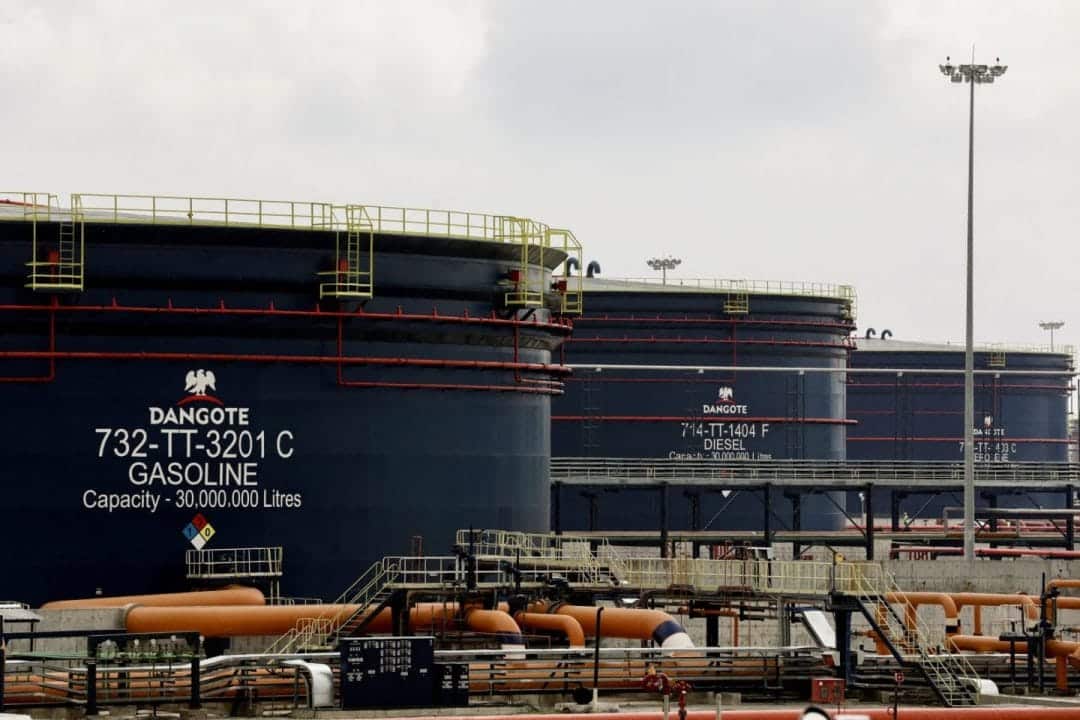
The Dangote Refinery, with a capacity of 650,000 barrels per day (BPD), stands as the largest single-train refinery in the world. It is fully equipped to meet 100% of Nigeria’s refined petroleum product requirements, with surplus capacity available for export. This monumental facility represents a significant stride towards self-sufficiency in Nigeria’s petroleum sector, reducing dependence on imports and enhancing energy security.
Dangote Refinery’s proactive measures in reducing PMS prices and introducing consumer-friendly purchase options underscore its role as a pivotal player in Nigeria’s energy sector. As the festive season approaches, these initiatives are set to provide tangible benefits to consumers, stimulate economic activity, and reinforce the refinery’s commitment to quality and environmental sustainability.
Dangote Refinery’s Price Cut: Broader Economic and Social Impacts
The decision by Dangote Petroleum Refinery to slash the price of Premium Motor Spirit (PMS) to ₦899.50 per litre has sent ripples through Nigeria’s socio-economic landscape. As the largest privately owned oil refinery in Africa, Dangote Refinery is no stranger to bold moves, but this latest initiative is particularly striking, given the current state of Nigeria’s economy. In this second batch of analysis, we delve deeper into the broader economic and social implications of this price reduction and the revolutionary credit purchase offer.
A Game-Changer for Transportation Costs
Transportation constitutes a significant portion of household expenses for most Nigerians, especially during the holiday season when intercity travel peaks. Fuel price fluctuations have a direct impact on fare rates, which in turn affect the mobility of the populace. With the price cut, Dangote Refinery has effectively thrown a lifeline to millions who rely on public transport to reunite with family and friends during the festive period.
In metropolitan areas like Lagos, Abuja, and Port Harcourt, where traffic congestion is notorious, the reduction in PMS prices may not only lower fares but also encourage businesses to extend operating hours, boosting economic activity. For rural dwellers, who face even higher transport costs due to poor road infrastructure, the relief will be even more pronounced.
Transportation companies, particularly those involved in long-haul logistics, are also likely to benefit. With reduced fuel costs, profit margins can improve, potentially leading to more stable freight charges. This stability could trickle down to consumer prices for goods and services nationwide.
Catalyst for Inflation Control
Nigeria has been battling high inflation, with the cost of basic goods and services soaring beyond the reach of many. Fuel prices play a critical role in shaping these inflationary trends due to their pervasive influence on production and distribution costs. Dangote Refinery’s intervention could serve as a stabilising force, mitigating the upward pressure on inflation and providing relief to consumers.
Economists argue that lower PMS prices could have a deflationary effect, particularly in sectors heavily reliant on transportation. Agricultural produce, for instance, often suffers from price hikes during the festive season due to increased demand and transportation bottlenecks. By reducing fuel costs, Dangote Refinery could indirectly ensure that fresh produce remains affordable and accessible to Nigerians.
The Credit Purchase Revolution
The introduction of a credit purchase scheme for PMS marks a paradigm shift in Nigeria’s energy market. By leveraging partnerships with leading financial institutions like Access Bank, First Bank, and Zenith Bank, Dangote Refinery has opened new avenues for consumer empowerment. This initiative not only alleviates immediate financial burdens but also fosters a culture of trust and accountability in the petroleum sector.
Critics, however, caution that the success of this scheme hinges on its implementation. Issues such as eligibility criteria, the speed of bank approvals, and the potential for fraud must be meticulously addressed. If managed effectively, the credit system could serve as a blueprint for other sectors, demonstrating the feasibility of integrating financial technology into traditional markets.
Strategic Market Positioning
While the reduction in PMS prices is undoubtedly a consumer-friendly gesture, it also positions Dangote Refinery as a formidable player in Nigeria’s energy market. By undercutting competitors and offering innovative consumer benefits, the refinery strengthens its brand as a market leader committed to social responsibility.
This move could spur competitors, including state-owned refineries and independent marketers, to reevaluate their pricing strategies. The resulting competition may lead to a more dynamic and consumer-centric energy market, benefiting Nigerians in the long run.
Environmental and Health Benefits
The promise of cleaner, high-quality petroleum products from Dangote Refinery cannot be overstated. Nigeria has long grappled with the adverse effects of substandard fuel imports, including increased vehicle emissions, engine damage, and public health crises. By prioritising quality, Dangote Refinery not only enhances consumer confidence but also contributes to Nigeria’s environmental sustainability goals.
Cleaner fuels translate to reduced air pollution, which is particularly critical in urban areas where respiratory ailments are on the rise. Moreover, the refinery’s operations align with global trends towards greener energy solutions, positioning Nigeria as a proactive participant in the global energy transition.
Export Potential and Foreign Exchange Stability
Beyond meeting domestic needs, Dangote Refinery’s capacity to produce surplus refined petroleum products for export holds immense promise for Nigeria’s foreign exchange stability. The country has long been plagued by a reliance on imported fuels, draining valuable foreign reserves. By reversing this trend, the refinery could become a major source of forex inflows, bolstering the naira and improving Nigeria’s balance of trade.
Analysts point out that as Dangote Refinery ramps up exports, it could also play a pivotal role in strengthening Nigeria’s economic ties with neighbouring countries. This regional influence could further enhance the nation’s standing as a leader in Africa’s energy landscape.
Consumer Reactions and Public Sentiment
Public reaction to Dangote Refinery’s initiatives has been overwhelmingly positive. Social media platforms are abuzz with commendations for the price reduction and the novel credit scheme. Many see these measures as a timely intervention that reflects an understanding of the challenges faced by ordinary Nigerians.
However, some skeptics question the sustainability of the price cut, particularly in the face of fluctuating crude oil prices and the operational costs of running a mega-refinery. These concerns underscore the need for transparency and consistency in the refinery’s pricing policies.
As the festive season unfolds, Dangote Refinery’s bold steps are setting a new benchmark for corporate responsibility in Nigeria’s energy sector. By addressing both economic and social challenges, the refinery has demonstrated its commitment to being more than just a profit-driven enterprise. In the next batch, we will explore the long-term implications of these measures for Nigeria’s energy policy and the broader economy.
Long-Term Implications of Dangote Refinery’s Initiatives

Reshaping Nigeria’s Energy Policy
Dangote Refinery’s decision to lower Premium Motor Spirit (PMS) prices and introduce a groundbreaking credit purchase system is poised to influence Nigeria’s energy policy significantly. For decades, the country has struggled with a mismanaged downstream petroleum sector, plagued by inefficiencies, subsidy controversies, and an over-reliance on imports. The emergence of Dangote Refinery as a dominant player signals a turning point, where private-sector innovation could redefine the sector’s trajectory.
By offering PMS at a competitive price of ₦899.50 per litre and ensuring premium quality, Dangote Refinery has demonstrated the viability of a private-sector-led petroleum industry. This could embolden policymakers to accelerate deregulation efforts and incentivise private investments in refining capacity. Experts argue that such a shift could lead to reduced fiscal burdens on the government, freeing up resources for critical infrastructure and social programs.
The credit purchase system further underscores the potential for technological integration in the energy sector. This innovation could inspire regulatory frameworks that encourage the use of financial technology to enhance consumer access and reduce fraud. Policymakers might also consider expanding similar models to other essential commodities, fostering a more inclusive economic environment.
Implications for Local Content and Employment
Dangote Refinery’s operations embody a commitment to local content development, with significant investments in Nigerian talent and resources. The refinery’s ability to meet 100% of Nigeria’s refined petroleum needs presents an opportunity to reduce dependency on foreign expertise and imports, while fostering skill development within the country.
However, critics caution that without broader systemic reforms, including the overhaul of state-owned refineries and transparent regulatory practices, Dangote Refinery’s impact might remain limited to isolated successes. The government must capitalize on this momentum by incentivising more private-sector participation and fostering an enabling environment for competition.
A Template for Regional Energy Dominance
Beyond Nigeria’s borders, Dangote Refinery is setting a precedent for regional energy dominance. With surplus refined products available for export, the refinery could transform Nigeria into a net exporter of petroleum products, reversing decades of reliance on imported fuel. This not only enhances foreign exchange inflows but also strengthens Nigeria’s geopolitical influence within Africa.
Countries across West and Central Africa, grappling with their energy crises, are likely to look to Nigeria as a reliable supplier. This regional integration could foster economic cooperation, create new markets for Nigerian products, and reinforce the country’s leadership role on the continent.
Sustainability and the Future of Energy
While Dangote Refinery’s initiatives are commendable, they raise questions about Nigeria’s long-term energy sustainability. The global energy landscape is transitioning towards renewables, and Nigeria must prepare for a future where fossil fuels may no longer dominate.
Dangote Refinery’s focus on high-quality and environmentally friendly petroleum products is a step in the right direction. However, experts urge the government and private sector players to invest in renewable energy technologies and diversify the country’s energy mix. Failure to do so could leave Nigeria vulnerable to global energy shifts, undermining the gains made through current initiatives.
Consumer Confidence and the Dangote Legacy
The immediate success of Dangote Refinery’s price reduction and credit purchase offer has solidified its reputation as a consumer-focused enterprise. For many Nigerians, the refinery’s efforts represent a glimmer of hope in an economy often characterised by corporate indifference and government inefficiency.
However, sustaining this goodwill requires consistent delivery on promises and transparent communication. Any future price hikes or lapses in quality could erode the trust Dangote Refinery has worked hard to build. As such, the company must maintain its commitment to affordability, quality, and innovation.
Conclusion
Dangote Refinery’s recent initiatives mark a watershed moment in Nigeria’s petroleum industry. By addressing immediate economic challenges while laying the groundwork for long-term transformation, the refinery has set a new benchmark for corporate responsibility and innovation.
As Nigerians enjoy the relief provided by lower PMS prices and the novel credit purchase scheme, the larger question remains: will this spark a broader revolution in Nigeria’s energy landscape? For now, Dangote Refinery has given Nigerians a reason to hope, and the world is watching.
Additional reports: Peter Jene and Osaigbovo Okungbowa, Atlantic Post Senior National and Political Correspondents, respectively.