By Osaigbovo Okungbowa, Senior Political Correspondent
In a detailed and impassioned statement, Attorney Inibehe Effiong has laid bare his concerns and observations from a virtual meeting convened by the Inspector General of Police (IGP) regarding the #EndBadGovernanceInNigeria protests set to begin on August 1. This meeting, which included notable civil society leaders and activists like Femi Falana SAN and Ebun-Olu Adegboruwa SAN, aimed to address the logistics and security of the upcoming protests. Effiong’s remarks provide a critical lens through which to examine the police’s approach to the protests, raising essential questions about the protection of citizens’ rights and the integrity of the Nigerian Police Force.

The Meeting: A Crucial Dialogue
The virtual meeting, attended by about 16 participants, was initiated in response to a letter from Mr. Adegboruwa to the IGP on behalf of the Take It Back Movement (TIB). The objective was to discuss the planned nationwide protests and ensure a peaceful demonstration. However, Effiong’s account suggests that while the dialogue was necessary, it also exposed significant gaps in the police’s preparedness and commitment to safeguarding the rights of protesters.
Key Concerns Raised
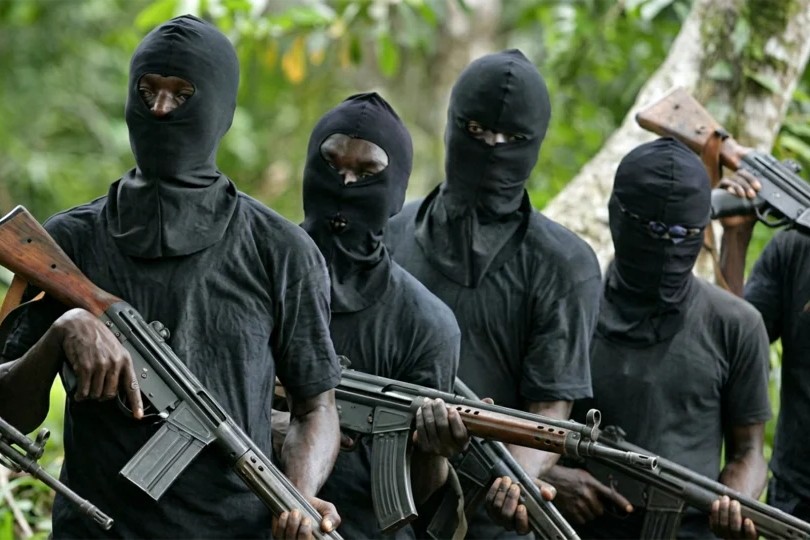
Effiong highlighted several critical issues during the meeting. He questioned the IGP about a circulating video that showed thugs in Lagos threatening violence against protesters, asking whether the Lagos State Commissioner of Police would be directed to arrest these individuals to deter further unrest. Disappointingly, the IGP did not address this question, even when reminded by other participants. This omission raises serious concerns about the police’s stance on preemptive violence and their commitment to protecting peaceful protesters.
Effiong also challenged the IGP’s advice to confine protests to specific locations, questioning whether the police would disrupt protests held outside these designated areas. The IGP assured that there were no plans to disrupt such rallies but admitted that the police could not guarantee the security of protesters who ventured beyond the communicated locations. This response underscores a troubling abdication of responsibility, suggesting that the police may not fully support the protesters’ constitutional rights to freely assemble and express dissent.
Legacy and Responsibility
In a poignant reminder, Effiong urged the IGP to consider his legacy and place in history. He emphasized that if the protests remained peaceful, the IGP would be remembered positively for his role. Conversely, any violence or loss of life at the hands of the police would tarnish his legacy. This call to conscience is crucial, highlighting the moral and ethical responsibilities of the police leadership during times of civil unrest.
Deduction and Analysis
Effiong’s deductions from the meeting reveal a mixed picture of the police’s readiness and attitude towards the protests:
- Security Assurance: The IGP assured that security would be provided for protesters at designated venues. This assurance is essential, but it also implicitly suggests a limitation on the freedom of movement and assembly.
- Neglect of Threats: The police’s failure to take threats from government-sponsored thugs seriously is alarming. It indicates a potential bias or lack of commitment to protecting all citizens equally.
- Inevitability of Protests: The police have acknowledged that the protests cannot be stopped, which is a crucial admission of the public’s determination and the legitimacy of their grievances.
- Conditional Military Involvement: The IGP stated that the military would not be deployed unless the police could not control the violence. This stance is a double-edged sword, as it aims to prevent military overreach but also raises concerns about the police’s capacity to manage large-scale protests.
- Encouragement for Coordination: Effiong’s call for coordinated rallies and marches is a pragmatic approach to ensure safety and organization. Writing to the CPs to notify them of protest venues can help in planning and securing the events.
- Historical Accountability: Effiong’s reminder that history will vindicate the just is a powerful message. It emphasizes that the actions of the police and the government during these protests will be scrutinized and remembered.
The Broader Context: A Nation on Edge
The #EndBadGovernanceInNigeria protests are more than just a demonstration against current policies; they are a manifestation of deep-seated frustrations and demands for systemic change. The Nigerian government and its security apparatus are at a crossroads. The way they handle these protests will significantly impact the nation’s democratic trajectory and the public’s trust in state institutions.
Constitutional Rights vs. State Control
The right to peaceful assembly is enshrined in the Nigerian Constitution. However, the police’s conditional support for the protests, as articulated by the IGP, reflects a broader tension between maintaining public order and upholding constitutional freedoms. The advice to restrict protests to certain locations can be seen as a way to manage potential unrest, but it also limits the protesters’ ability to reach a wider audience and make a more substantial impact.
The Role of Civil Society
Civil society leaders like Effiong, Falana, and Adegboruwa play a critical role in mediating between the state and the public. Their involvement in these discussions is vital for ensuring that the voices of ordinary Nigerians are heard and that their rights are protected. The advocacy and vigilance of these leaders are essential in holding the police and government accountable.
International Perspective
The handling of the #EndBadGovernanceInNigeria protests will also be closely watched by the international community. Nigeria’s reputation as a democratic nation is at stake. Any evidence of human rights abuses or suppression of peaceful protests could attract global condemnation and affect Nigeria’s standing in the international arena.
The Path Forward: Dialogue and Reform
Effiong’s insights underscore the need for ongoing dialogue and meaningful reform. The government and the police must engage constructively with civil society to address the root causes of the protests. This includes tackling corruption, ensuring good governance, and implementing policies that genuinely improve the lives of Nigerians.
Conclusion: A Call for Justice and Accountability
As Nigeria stands on the brink of significant civil action, the words of Attorney Inibehe Effiong resonate deeply. His call for the IGP to consider his legacy is a reminder that the actions of today will shape the future. The Nigerian Police Force must rise to the occasion, not just by maintaining order but by protecting the rights and dignity of all citizens. The #EndBadGovernanceInNigeria protests are a critical moment in the nation’s history, and how they are managed will have lasting implications for Nigeria’s democratic values and social cohesion.